Sustainable Clothing

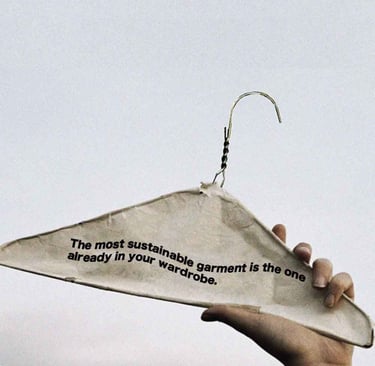
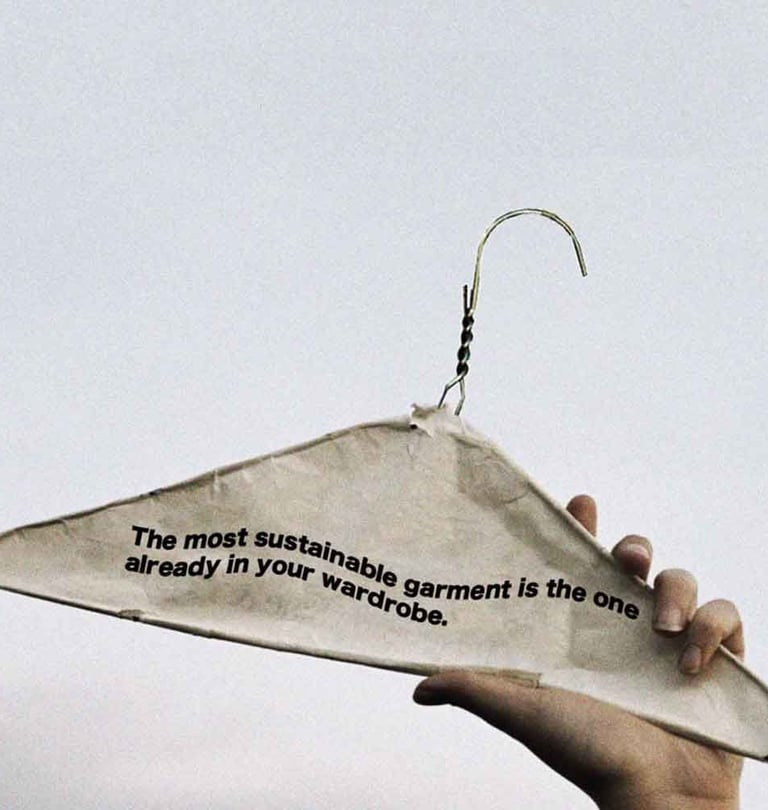
Why the Most Sustainable Outfit Might Already Be in Your Wardrobe

7/4/20265 min read

Sustainable Clothing

Open your wardrobe for a moment.

You'll probably find a few clothes you wear every week, a few you wear occasionally, and at least one shirt or pair of jeans that has been sitting untouched for months. Most of us have bought something because it looked good in the store, only to realise later that it wasn't really our style.

We've become used to buying clothes more often than we need them. New collections arrive every few weeks, social media introduces new trends almost daily, and online shopping has made buying clothes easier than ever.

There's nothing wrong with enjoying fashion. Clothing is a way to express personality, culture, and creativity. But as our buying habits have changed, so has the environmental impact of the fashion industry.

Sustainable clothing isn't about owning fewer clothes just for the sake of it. It's about making choices that help your wardrobe—and the environment—last a little longer.

Buying Less Doesn't Mean Sacrificing Style

Sustainable fashion is sometimes misunderstood as wearing plain clothes or avoiding trends altogether.

It doesn't have to be that way.

Instead of asking, "Is this fashionable?", it can help to ask a different question:

"Will I still enjoy wearing this a year from now?"

Choosing timeless colours, versatile designs, and comfortable fabrics often means you'll reach for those clothes again and again.

Interestingly, most people already have favourite pieces in their wardrobe. They're the clothes that fit well, feel comfortable, and work for different occasions.

That's exactly what a sustainable wardrobe is built around.

Looking Beyond the Label

Words like eco-friendly, green, conscious, and sustainable are becoming increasingly common in fashion marketing.

While some brands are making genuine improvements, others provide very little information about what these claims actually mean.

Instead of relying only on labels, it's worth looking a little deeper.

Ask questions like:

  • What material is this made from?

  • Is the brand transparent about where it's produced?

  • Does it feel durable?

  • Can it be repaired?

  • Is it something I'll actually wear often?

These questions are often more useful than simply looking for a sustainability logo.

Fashion Has Changed Faster Than Our Wardrobes

A few decades ago, buying clothes was often a planned purchase.

Many Indian families bought new outfits during festivals like Diwali or Eid, for weddings, birthdays, or when children outgrew their uniforms. Clothes were cared for, repaired, and passed on.

Today, clothing has become much more accessible. A few taps on a phone are enough to order a new outfit that arrives within days.

This convenience has many benefits, but it has also encouraged faster consumption. Many garments are worn only a handful of times before they are replaced or forgotten.

The challenge isn't that people enjoy buying clothes. The challenge is that many clothes are now designed to be replaced rather than valued.

Sustainability Didn't Start with a Trend

One interesting thing about sustainable fashion is that many Indian households have practised it for generations without calling it "sustainable."

Think about things you've probably seen growing up.

A school uniform altered by a neighbourhood tailor instead of buying a new one.

An older cousin's sweater becoming a younger sibling's winter favourite.

A cotton saree that's too worn to wear becoming pillow covers or kitchen cloths.

Jeans patched instead of thrown away.

Steel buttons reused from old shirts.

These weren't environmental campaigns. They were practical habits. Looking back, many of these everyday decisions reduced waste simply because people believed in making full use of what they already owned. In many ways, sustainable fashion is less about learning something new and more about rediscovering habits that already existed.

What Makes Clothing Sustainable?

There's no single feature that makes a piece of clothing sustainable.

A garment's impact depends on several factors, including:

  • The materials used

  • How it was manufactured

  • How long it lasts

  • How often it's worn

  • Whether it can be repaired or recycled

This means two T-shirts that look almost identical can have very different environmental footprints.

Likewise, an expensive item isn't automatically more sustainable, and a budget-friendly one isn't automatically less sustainable.

The most sustainable choice often depends on how you use it.

A well-made shirt worn 100 times usually has a lower impact per wear than one that's worn twice and forgotten.

Final Thoughts

Building a sustainable wardrobe doesn't happen overnight, and it doesn't require throwing away everything you already own.

In fact, one of the most sustainable things you can do is simply wear your favourite clothes for longer.

The shirt you've worn for five years.

The jeans you've repaired instead of replacing.

The kurta you still wear every festival because it fits perfectly.

Those clothes already represent a more thoughtful way of consuming fashion.

Sustainability isn't about chasing perfection or keeping up with another trend.

It's about appreciating what we own, buying with intention when we need something new, and recognising that every garment has a story long before—and long after—it reaches our wardrobe.

Sometimes, the most sustainable outfit isn't the newest one.

It's the one you've already chosen to wear again.

Click below to find our best picks-
Fabrics Matter—But They're Only Part of the Story

People often ask which fabric is the most sustainable.

The honest answer is that there isn't one perfect option.

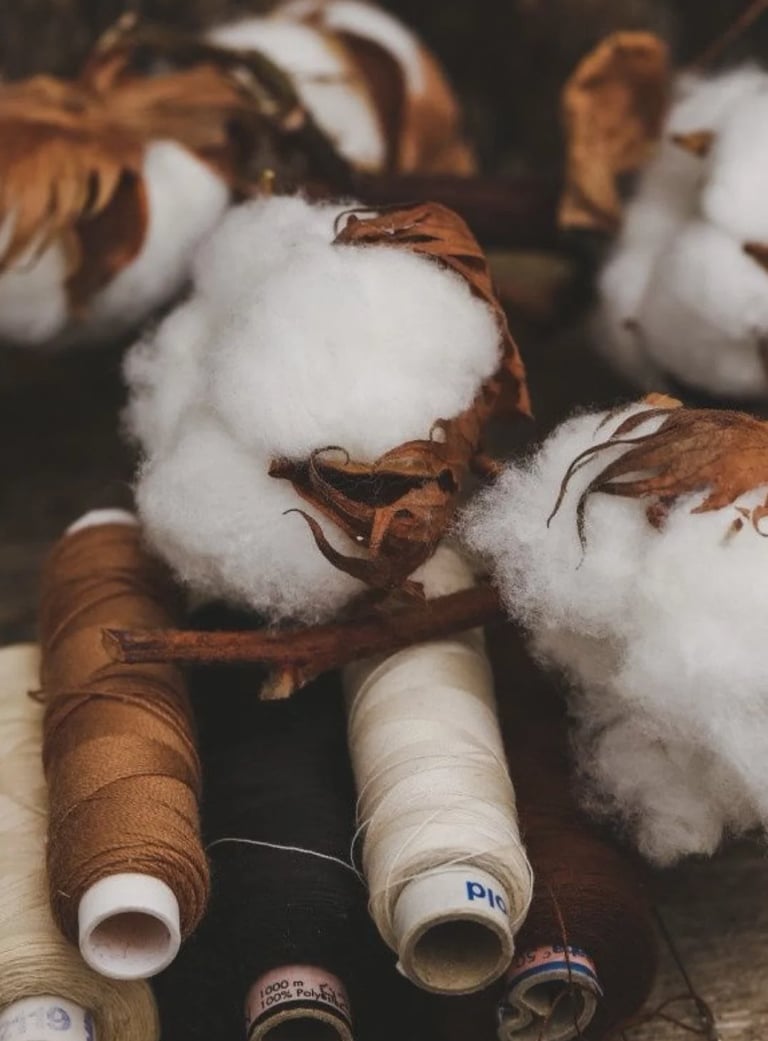
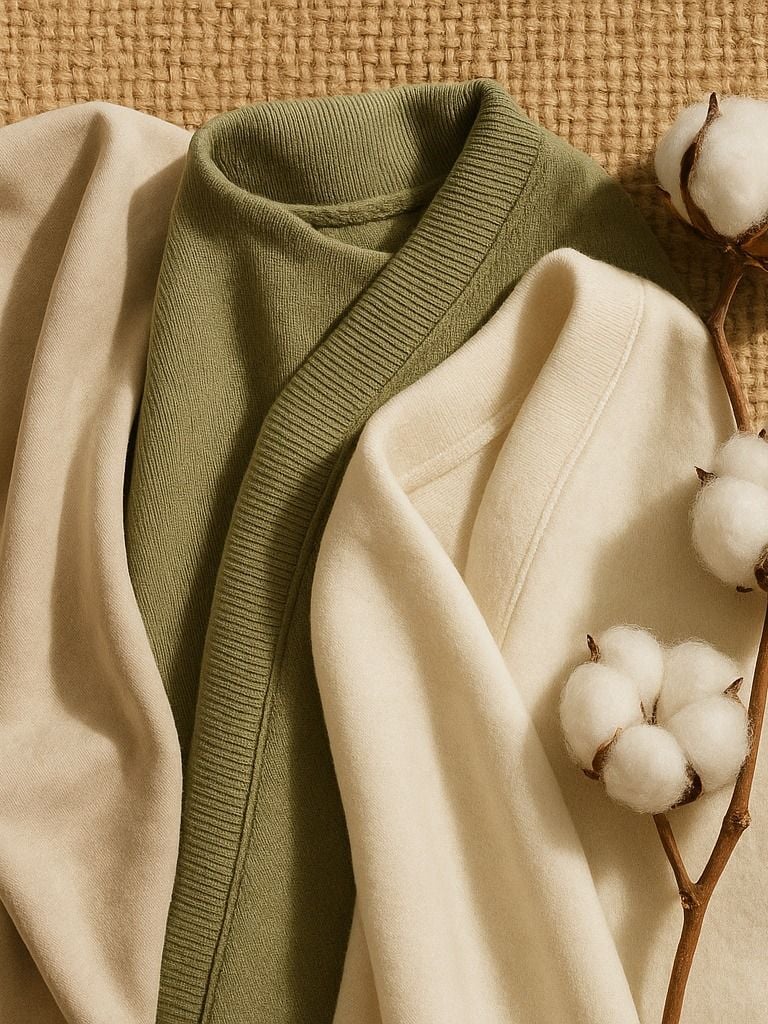
  • Organic cotton reduces the use of synthetic pesticides during farming.

  • Linen is durable and breathable.

  • Hemp grows quickly and requires relatively fewer agricultural inputs.

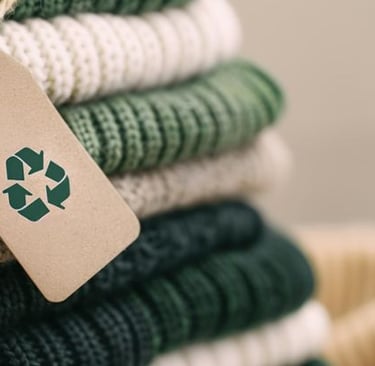
  • Recycled fibres help reduce demand for new raw materials.

At the same time, every material has environmental impacts related to farming, manufacturing, transportation, and processing.

Rather than searching for the "perfect" fabric, it's usually better to choose clothes that are well-made and likely to stay in your wardrobe for years.

Small Habits Can Make Clothes Last Longer

One of the easiest ways to make fashion more sustainable doesn't involve buying anything at all.

It simply involves taking better care of the clothes you already own.

Simple habits include:

  • Washing clothes only when necessary.

  • Air-drying instead of using high heat whenever possible.

  • Repairing loose buttons before they become bigger problems.

  • Folding knitwear instead of hanging it.

  • Following washing instructions to prevent unnecessary damage.

These habits extend the life of clothing while reducing the need for replacements.

Supporting Local Can Also Make a Difference

India has one of the richest textile traditions in the world.

From Khadi and Chanderi to Banarasi silk, Pochampally Ikat, Kanchipuram silk, and handwoven cottons, every region has its own craftsmanship.

Choosing locally made clothing doesn't automatically make a purchase sustainable, but it can support traditional skills, strengthen local economies, and often reduce transportation distances compared to imported products.

Many independent Indian brands are also becoming more transparent about their materials, manufacturing practices, and worker welfare.

Supporting businesses that share this information encourages greater accountability across the industry.

What PleaseBuyGreen Looks For

At PleaseBuyGreen, we don't believe sustainability should be judged by marketing claims alone.

When evaluating clothing, we look at several factors, including:

  • Material sourcing

  • Durability

  • Quality of construction

  • Transparency from the manufacturer

  • Packaging

  • Repairability

  • Expected lifespan

Our goal isn't to tell you what to buy.

It's to provide enough information for you to decide whether a product genuinely offers long-term value—for both you and the environment.

Get in touch

+91 9353269745

mail@pleasebuygreen.com

Whatsapp icon
Whatsapp icon
a blue button with a white envelope on it