Green Technology
The Small Innovations Quietly Making Everyday Life More Sustainable
7/21/20263 min read
Why Green Technology Matters More Than Ever
India is currently one of the world's fastest-growing economies. With that growth comes increased demand for electricity, transportation, housing, and infrastructure.
According to government estimates, India's energy demand is expected to continue rising significantly in the coming decades. Meeting that demand while reducing environmental impact is one of the country's major challenges.
Green technology offers practical solutions.
For example:
Energy-efficient appliances reduce electricity consumption.
Solar-powered systems generate renewable energy.
Smart devices help identify and eliminate waste.
Improved battery technology supports cleaner transportation.
None of these solutions are perfect on their own, but together they contribute to a more resource-efficient future.

What Exactly Is Green Technology?
Green technology refers to products, systems, and innovations designed to reduce environmental harm while maintaining or improving performance.
In simple terms, it's technology that helps us do more with fewer resources.
Examples include:
Solar-powered products
Energy-efficient appliances
Smart energy management systems
LED lighting
Electric mobility solutions
Water-saving technologies
Not every product marketed as "green" automatically deserves that label. Truly sustainable technology should provide measurable benefits such as reducing energy consumption, lowering emissions, minimizing waste, or conserving natural resources.
This distinction matters because sustainability should be based on outcomes, not marketing claims.
The Green Technology Most Indians Already Use
Many people assume sustainability requires expensive upgrades.
In reality, one of India's most successful green technology transitions has been remarkably simple: LED lighting.
A decade ago, LED bulbs were relatively expensive and uncommon. Today, they are found in homes, schools, offices, and shops across the country.
Why did they become popular?
Not because people suddenly became environmental activists.
They adopted LEDs because they last longer and reduce electricity bills.
The environmental benefits came alongside practical benefits.
This is often how sustainable technology succeeds. People are more likely to adopt solutions that improve daily life while also reducing environmental impact.

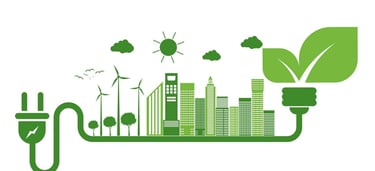
Green Technology
When people hear the term green technology, they often picture electric cars, giant solar farms, or futuristic smart cities. While those are certainly part of the story, green technology is much closer to home than most of us realize.
In fact, you may already be using it.
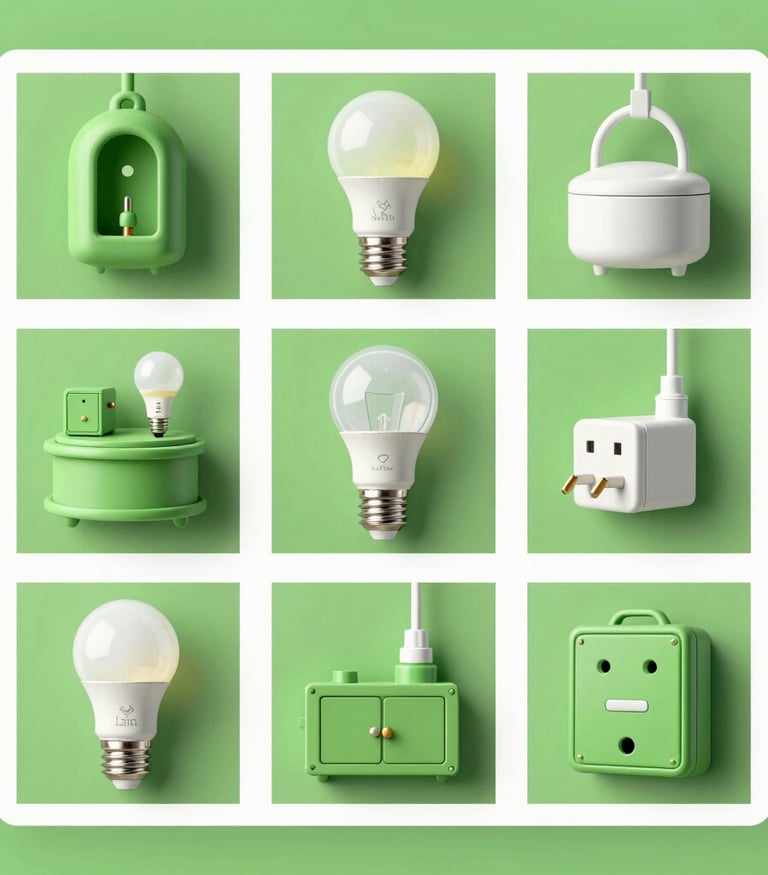
The LED bulb in your living room, the solar light outside a village home, or the smart plug helping reduce electricity waste are all examples of technology designed to use resources more efficiently.
The goal of green technology isn't simply to create new gadgets. Its purpose is to solve everyday problems while reducing environmental impact. In a country like India, where growing cities, rising energy demand, and environmental challenges often intersect, these innovations are becoming increasingly important.
The good news is that adopting green technology doesn't require a major investment or a complete lifestyle change. Often, it starts with a few practical choices.
Final Thoughts
Green technology doesn't have to be futuristic, expensive, or complicated.
In many cases, it consists of practical tools that help households and businesses reduce waste, conserve energy, and make more efficient use of resources.
A solar light. An LED bulb. A smart plug.
Individually, these choices may seem small. But sustainability is rarely built through one large action. More often, it emerges from thousands of small decisions repeated consistently over time.
Technology alone won't solve environmental challenges. However, when combined with informed choices and responsible consumption, it can help create a future that is both more efficient and more sustainable.